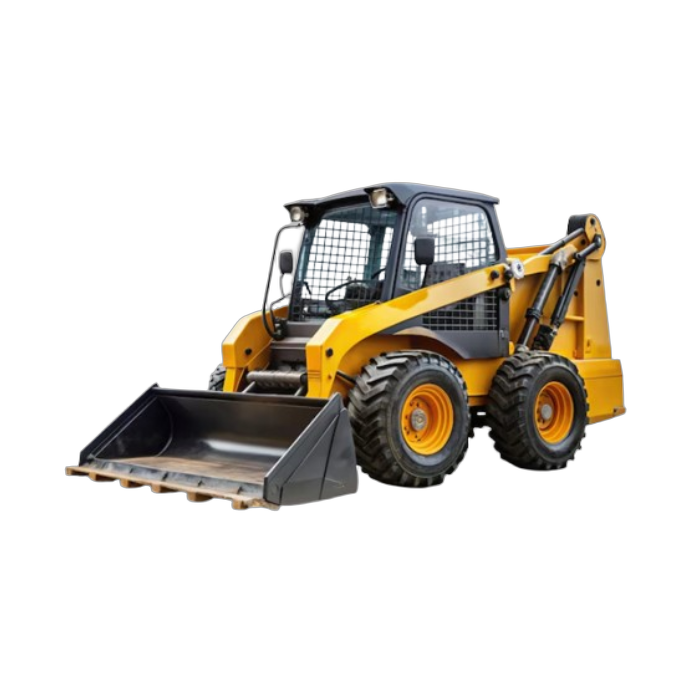

Key takeaways
| Factor | Detail |
|---|---|
| New skid steer price range | $35,000–$130,000+ AUD depending on size, power and brand |
| Compact / small frame | $35,000–$60,000 AUD (under 50 hp, up to 900 kg ROC) |
| Mid-size frame | $60,000–$90,000 AUD (50–70 hp, 900–1,300 kg ROC) |
| Large frame | $90,000–$130,000+ AUD (70–100+ hp, 1,300–1,600 kg ROC) |
| Used / refurbished units | $15,000–$65,000 AUD depending on age, hours and condition |
| Annual operating costs | $8,000–$22,000 depending on utilisation and application |
| Attachment investment | $2,000–$18,000 per attachment depending on type |
| Typical ROI period | 2–4 years for commercial operators replacing hired equipment |
| Fuel consumption | 4–10 litres per hour depending on engine size and load |
| Service interval | Every 250–500 hours — factor into annual operating budget |
Pricing reflects 2026 Australian market conditions.
What drives skid steer loader prices in Australia
Skid steer prices are determined by rated operating capacity (ROC), engine output, drive system and brand. Frame size is the primary cost driver — each step up in ROC and horsepower adds $15,000–$30,000 to the base price.
The three variables that move price most:
- Frame size and ROC — larger frames with higher rated operating capacity command the largest premium
- Drive system — radial lift units are lower cost; vertical lift adds $5,000–$12,000 but extends reach for loading applications
- Brand — major brands (Bobcat, Case, Caterpillar, John Deere, Kubota) carry a 15–25% premium but offer stronger resale value and more established Australian dealer networks
Always confirm whether quoted prices are drive-away or exclude GST, delivery and dealer preparation. Browse verified Australian skid steer loader suppliers to compare models and request quotes across all frame sizes.
Purchase price by machine size
| Category | ROC | Engine Output | Price Range (AUD) | Best For |
|---|---|---|---|---|
| Compact / small frame | Up to 900 kg | 35–50 hp | $35,000–$60,000 | Landscaping, tight access, nurseries |
| Mid-size frame | 900–1,300 kg | 50–70 hp | $60,000–$90,000 | Construction, agriculture, earthworks |
| Large frame | 1,300–1,600 kg | 70–100 hp | $90,000–$130,000 | Civil works, demolition, heavy material handling |
| High-capacity / vertical lift | 1,400–1,800 kg | 90–120 hp | $110,000–$160,000+ | Quarry, mining support, high-tip loading |
| Used / refurbished | Variable | Variable | $15,000–$65,000 | Budget-constrained buyers — validate hours and history |
| Electric (emerging) | 700–1,100 kg equiv. | 35–55 hp | $65,000–$110,000 | Indoor or emissions-sensitive sites |
Most construction and agriculture buyers specify mid-size frames in the $60,000–$90,000 range. For tight-access and lower-volume applications, mini skid steer loaders start from $12,000–$35,000 and offer strong attachment compatibility in a significantly reduced footprint.
Radial lift vs vertical lift
| Factor | Radial Lift | Vertical Lift |
|---|---|---|
| Lift path | Arcing — max reach at mid-height | Vertical — max reach at full height |
| Best for | Grading, digging, ground-level work | Loading trucks, bins, elevated hoppers |
| Price premium | Base | Add $5,000–$12,000 |
| Common applications | Landscaping, earthworks, site cleanup | Agriculture, civil, waste handling |
Choose radial lift for grading, trenching and ground-level material handling — suits the majority of earthworks and landscaping applications. Choose vertical lift if your operation regularly loads trucks or elevated hoppers.
Attachment costs
| Attachment Type | Price Range (AUD) | Primary Application |
|---|---|---|
| General purpose bucket | $1,500–$4,000 | Earthmoving, material handling |
| 4-in-1 bucket | $3,500–$7,000 | Grab, spread, level, carry |
| Pallet forks | $1,800–$3,500 | Pallet and material handling |
| Auger drive + bit | $4,000–$9,000 | Post holes, footings |
| Hydraulic breaker | $5,000–$12,000 | Concrete, rock, demolition |
| Trencher | $6,000–$14,000 | Service trenching, drainage |
| Mulcher / slasher | $8,000–$18,000 | Vegetation clearing |
| Sweeper / broom | $3,000–$6,500 | Site cleanup |
Confirm hydraulic flow and pressure compatibility between machine and attachment before purchase — particularly for high-flow attachments like mulchers.
Annual operating costs
| Cost Item | Annual Cost (AUD) | Notes |
|---|---|---|
| Fuel | $4,000–$12,000 | 1,000–2,000 hours/year at 4–10 L/hour |
| Scheduled servicing | $2,000–$5,000 | Every 250–500 hours |
| Tyres | $800–$2,500 | Surface-dependent wear |
| Tracks (if equipped) | $3,000–$8,000 | Replacement every 1,200–2,000 hours |
| Wear parts | $500–$2,000 | Bucket teeth, cutting edges |
| Insurance | $1,500–$4,000 | Commercial plant insurance |
| Registration / compliance | $500–$1,200 | State-specific |
| Total (wheeled unit) | $8,000–$22,000 | Mid-utilisation commercial operation |
Track-equipped units cost more to operate than wheeled units — budget separately for undercarriage wear on abrasive surfaces. Compare equipment finance options to spread purchase and operating costs across a structured repayment schedule.
Hire vs buy
| Factor | Hire | Purchase |
|---|---|---|
| Daily rate | $350–$700/day | — |
| Weekly rate | $1,400–$2,800/week | — |
| Monthly equivalent | $5,500–$11,000/month | — |
| Break-even threshold | — | ~10–15 hire weeks/year |
| Maintenance responsibility | Hire company | Owner |
Purchase is financially justified when a machine is needed consistently for more than 10–15 weeks per year. At $1,400–$2,800 per week in hire costs, a $75,000 mid-size machine reaches break-even within 2–3 years of regular use.
ROI for commercial operators
Strongest ROI scenarios:
- Replacing hired equipment used more than 12 weeks per year — purchase cost typically recovered within 2–3 years
- Multi-attachment operations replacing multiple hired specialist machines
- Owner-operators billing at $80–$150/hour market rate — a machine working 1,000 hours/year generates $80,000–$150,000 in billable output
Factors that reduce ROI: low annual utilisation (under 400–500 hours), single-application use, high finance costs, and operating on surfaces that accelerate tyre or track wear.
Australian compliance and licensing
- Plant registration — required for road use; confirm state-specific requirements
- WHS obligations — operator competency training and documented risk assessment required under model WHS Regulations
- ROPS and FOPS — mandatory on all units operating in Australia; verify on any used or imported machine
- Noise and emissions — some states require EPA compliance for machines on certain site types
- Maintenance records — must be maintained under Safe Work Australia plant requirements
Supplier comparison checklist
| Factor | What to Ask |
|---|---|
| ROC and lift path | What is the rated operating capacity — radial or vertical lift? |
| Hydraulic flow | What is the standard and high-flow output — compatible with my attachments? |
| Attachment compatibility | What coupler system is fitted? What attachments are compatible? |
| Warranty | What is covered and for how long — drivetrain, hydraulics, structure? |
| Dealer service network | Is there a dealer in my state? What is service response time? |
| Parts availability | Are common wear parts stocked locally? |
| Demo availability | Can I trial the machine on my site? |
| Used unit history | Can you provide full service records and a pre-purchase inspection? |
Frequently asked questions
How much does a skid steer loader cost in Australia in 2026? New skid steers cost between $35,000 and $130,000+ AUD depending on frame size, ROC and brand. Most mid-size units suitable for construction and agriculture sit in the $60,000–$90,000 range. Compact units start from $35,000 and large-frame civil machines exceed $100,000. Used units in serviceable condition range from $15,000 to $65,000 depending on age, hours and service history. For a full breakdown of types and specifications alongside price, see the skid steer loaders buying guide.
What is the difference between a skid steer and a compact track loader? A skid steer uses tyres and steers by varying wheel speed on each side. A compact track loader uses rubber tracks, offering better traction and lower ground pressure on soft or uneven terrain. Track loaders cost $10,000–$20,000 more than equivalent wheeled units and carry higher operating costs due to undercarriage wear. Wheeled skid steers are more cost-effective on hard surfaces; track loaders suit soft ground, slopes and conditions where ground disturbance is a concern. Compare both categories on IndustrySearch via the track loader category.
How many hours should a used skid steer have? Total service life is typically 5,000–8,000 hours before major overhaul. Units under 2,000 hours with verified service history represent good value. Between 2,000 and 4,000 hours, inspect hydraulic system condition, drive motors and lift arm pivots carefully. Above 4,000 hours, budget for increased maintenance and factor potential major repair costs into your purchase price negotiation.
Is it better to buy or hire a skid steer in Australia? Hire suits short-term or infrequent use. Purchase is justified when the machine is needed consistently for more than 10–15 weeks per year. At $1,400–$2,800 per week in hire costs, a $75,000 machine reaches break-even within 2–3 years. For operators billing machine time to clients, revenue from 800–1,000 operating hours per year typically covers finance costs within the first year.
What finance options are available for skid steer loaders? Common structures include chattel mortgage, finance lease and hire purchase over 3–5 year terms. Chattel mortgage suits businesses claiming tax depreciation as the asset is owned from day one. Finance leases offer lower monthly payments with a purchase option at term end. Compare dealer finance against independent equipment finance brokers — a 1–2% rate difference over 5 years is meaningful on a $70,000–$100,000 asset. GST is generally claimable for registered businesses. For used unit finance specifically, see the guide to financing second-hand industrial equipment for approval requirements, documentation and lender criteria.
Summary
- New skid steers cost $35,000–$130,000+ — most commercial buyers land in the $60,000–$90,000 mid-size range
- Annual operating costs run $8,000–$22,000 — fuel and servicing are the largest recurring items
- Break-even vs hire at approximately 10–15 weeks of annual use — consistent operators recover purchase cost within 2–3 years
- Vertical lift adds $5,000–$12,000 — only justified for regular truck or hopper loading
- Used units under 2,000 hours with verified service history offer genuine value — inspect hydraulics and drive motors carefully
- WHS compliance, ROPS/FOPS certification and state plant registration are non-negotiable for all operators
Ready to source your skid steer loader?
Don't waste time contacting suppliers individually. IndustrySearch connects you with verified Australian skid steer suppliers so you can compare models, specifications and pricing in one place.
- Compare models by ROC, lift path, engine output and region
- Request quotes from multiple verified suppliers near you
- Speak directly with suppliers servicing your state
→ Compare Skid Steer Loaders on IndustrySearch Now



-160x160-state_article-rel-cat.png)