
Skip loader truck buying guide Australia 2026: chassis, payload and licence decisions that set your price
Key Takeaways
- Three decisions drive the price: Chassis size (GVM), payload and lifting capacity, and the licence class needed to drive it set most of what you pay.
- GVM sets the licence: A truck over 8 tonnes GVM needs a medium or heavy rigid licence, and garbage-class trucks commonly require a Heavy Rigid (HR) licence.
- Payload equals GVM minus tare: Every kilogram of chassis and lifting gear reduces what you can legally carry, so heavier is not always more productive.
- Match the truck to the route: Light rigids suit residential skip hire; larger 6x4 units suit heavy construction and demolition loads.
- Spec, don't overspec: Buying more capacity than your routes need wastes fuel and capital and can push you into a dearer licence bracket.
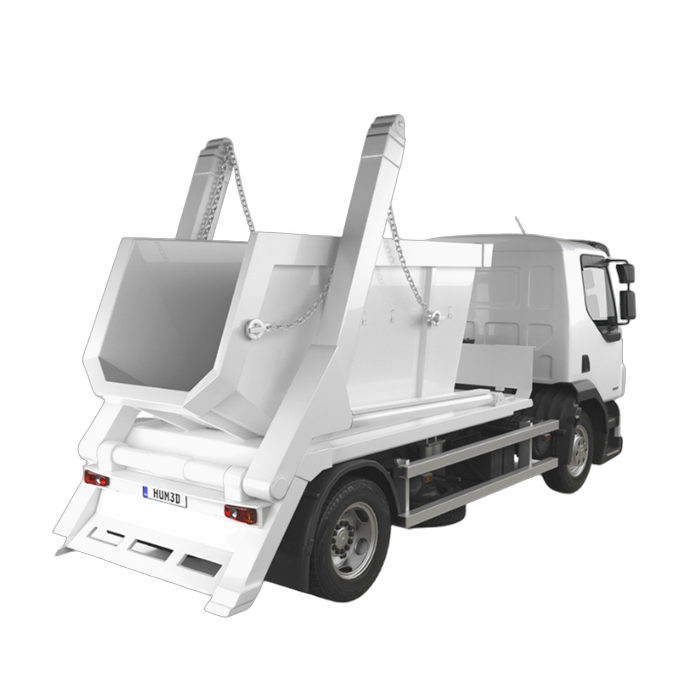
A skip loader truck is a major capital decision, and its final price is set long before you reach the showroom floor. Three choices do most of the work: the chassis you put under it, the payload and lifting capacity you specify, and the driver licence class the truck demands. Get these aligned with your routes and you buy a productive, compliant asset. Get them wrong and you are left with a truck that is too heavy for its work, too costly to run, or one your drivers are not licensed to operate. This guide walks through each decision so you can spec correctly and price with confidence.
The chassis and GVM
The chassis is the single biggest price driver, and its Gross Vehicle Mass (GVM) cascades into everything else, including cost, payload, and the licence your drivers need. In Australia, truck classes broadly follow GVM: light-duty sits under 4.5 tonnes, medium-duty runs from 4.5 to around 15 tonnes, and heavy-duty is 15 tonnes and above.
- Light rigid chassis (up to 8t GVM): Suits residential and light commercial skip hire with smaller bins, cheaper to buy, register, and run.
- Medium rigid chassis (over 8t, 2 axles): A step up in payload for busier routes and heavier mixed loads.
- Heavy rigid chassis (over 8t, 3+ axles, e.g. 6x4): Built for construction and demolition waste, carrying the largest skips and telescopic lifting gear.
Bigger chassis carry more per trip but cost more at every stage, so size to your typical load rather than your heaviest possible one.
Decision two: payload and lifting capacity
Payload is not the same as GVM. Your legal payload equals the truck's GVM minus the tare weight of the chassis, the skip loader body, and the empty bin. That means every kilogram of heavier lifting gear or a bigger body reduces what you can legally carry. Skip loader bodies in the Australian market are commonly rated from about 4.5 tonnes up to 16 tonnes lifting capacity, with telescopic and adjustable-arm options for construction work.
The trap is assuming a bigger lift always means more useful load. A heavier body on a given chassis can eat into payload and push you toward overweight territory with dense materials such as concrete, brick, and soil. Under the Heavy Vehicle National Law, the National Heavy Vehicle Regulator (NHVR) administers mass limits for vehicles over 4.5 tonnes GVM, and you must keep within them. Work backwards from the heaviest load you realistically carry, then confirm the chassis and body combination leaves you legal.
The licence class
The truck you buy dictates the licence your drivers must hold, and that has real cost and hiring implications. Australian licence classes track GVM and axle count:
| Licence | Covers | Typical skip truck fit |
|---|---|---|
| Car (C) | Up to 4.5t GVM | Too light for most skip trucks |
| Light Rigid (LR) | 4.5t to 8t GVM | Small residential skip loaders |
| Medium Rigid (MR) | Over 8t GVM, 2 axles | Mid-size single-drive units |
| Heavy Rigid (HR) | Over 8t GVM, 3+ axles | Large 6x4 construction units |
Garbage and skip-class trucks commonly fall under the HR licence, which requires holding a car licence for at least two years first. An LR licence is comparatively cheap and quick, but if your chassis choice pushes you into MR or HR, factor the licensing cost and the smaller pool of qualified drivers into your decision. Sometimes staying just under a GVM threshold keeps you in an easier, cheaper licence bracket without materially hurting productivity.
How the three decisions set your price
These choices compound. A larger chassis raises the purchase price, demands a higher licence, and costs more to register, insure, and fuel, while a heavier body trims payload and can tip you into overweight risk. The skill is balancing them: enough capacity to service your routes efficiently, without paying for size your work never uses. Configuration extras such as automatic transmissions, telescopic extending arms, tarping systems, and remote controls each add cost but can improve safety and productivity, so weigh them against the routes they serve.
A realistic scenario
Picture an operator torn between an 8-tonne light rigid and a 16-tonne 6x4 for a mostly residential skip hire round with the occasional construction job. The larger truck looks more capable on paper, but it needs an HR-licensed driver, costs far more to buy and run, and its payload advantage is wasted on light domestic bins down narrow streets.
For this route mix, the light rigid is the smarter buy: cheaper, LR-licensed, and agile enough for the bread-and-butter work, with the rare heavy job subcontracted or handled with a hired larger unit. An operator whose work is genuinely construction-heavy would reach the opposite conclusion and spec the 6x4 from the start. The decision follows the routes, not the spec sheet. To put real numbers against your shortlist, see the companion skip loader truck prices guide, and if you are still weighing the lifting system itself, the skip loader vs hook loader comparison sets out where each earns its place. Browse current hooklift and skip loader truck listings to compare specs, and weigh truck and trailer finance against an outright buy.
Frequently asked questions
What licence do I need to drive a skip loader truck in Australia?
It depends on GVM and axles. A small skip truck up to 8 tonnes GVM needs a Light Rigid (LR) licence, a 2-axle truck over 8 tonnes needs Medium Rigid (MR), and a larger 3-plus axle unit needs Heavy Rigid (HR). Garbage-class trucks commonly require an HR licence.
How do chassis and payload affect the price?
Chassis size (GVM) is the biggest price driver, and payload equals GVM minus the tare of the chassis, body, and empty bin. A larger chassis costs more to buy and run, while a heavier lifting body reduces legal payload, so the two must be balanced against your typical load.
What size skip loader body should I choose?
Australian skip loader bodies run from about 4.5 to 16 tonnes lifting capacity. Match the body to your heaviest realistic load and your bin sizes, remembering that a bigger body trims payload on a given chassis and can push dense loads toward overweight. Telescopic arms suit construction work.
Is it worth buying a bigger truck for future growth?
Only if your routes will genuinely use the capacity. A larger truck costs more to buy, run, register, and insure, and may need a higher licence and scarcer drivers. Overbuying for hypothetical future work often wastes capital that would be better spent on bins or a second right-sized truck.
Do skip loader trucks fall under NHVR rules?
Yes. Any vehicle over 4.5 tonnes GVM sits under the Heavy Vehicle National Law, administered by the NHVR across most states. You must keep within mass limits, maintain compliance records, and hold certified mass documentation for bins to demonstrate you are loading legally.
What matters most
A skip loader truck's price is decided by three linked choices: chassis GVM, payload and lifting capacity, and the licence class the truck demands. Start from your routes and your heaviest realistic load, spec the smallest truck that services them comfortably, and check where that leaves you on payload and licensing before you commit. Balance the three well and you buy a compliant, productive truck that suits the work; overspec any one of them and you pay for capacity, fuel, and licences your operation never needed.
Ready to spec and price a skip loader truck for your routes? Get quotes from skip loader and hooklift truck suppliers across Australia here.