
Key takeaways
- What you pay: Industrial metal lathes on IndustrySearch list between $5,000 and $30,000, averaging around $17,500, with heavy-duty and large-capacity machines running higher.
- What drives price: Swing over bed, distance between centres, spindle bore, motor power, and fitted extras like a digital readout (DRO) separate an entry machine from a workshop-grade one.
- Manual versus CNC: A conventional centre lathe sits in the $5,000 to $30,000 band; step up to a CNC turning centre and prices start around $20,000 and climb past $250,000.
- Running costs: Budget for tooling, chucks, coolant, and periodic servicing on top of the purchase price.
- The decision: Size the lathe to the largest part you expect to turn, then buy on total cost of ownership rather than the price tag.
A metal lathe is often the backbone of an Australian engineering, maintenance, or fabrication workshop. It turns, faces, bores, and threads cylindrical parts, and the right machine can serve a business for decades. But prices span a wide range, and the specs that matter are easy to overlook until a job does not fit the machine. This guide covers what industrial metal lathes cost in Australia, the specifications that change the price, and how to match a lathe to your work before you compare quotes.
What industrial metal lathes cost in Australia
On IndustrySearch, listed prices for industrial metal lathes range from roughly $5,000 to $30,000, averaging about $17,500. That band covers conventional centre and engine lathes; larger heavy-duty machines and oil country lathes run higher again. Here is how the money maps to the machine:
- Entry and bench-class lathes: From around $5,000 to $12,000. Suited to light turning, training, and maintenance work on smaller parts.
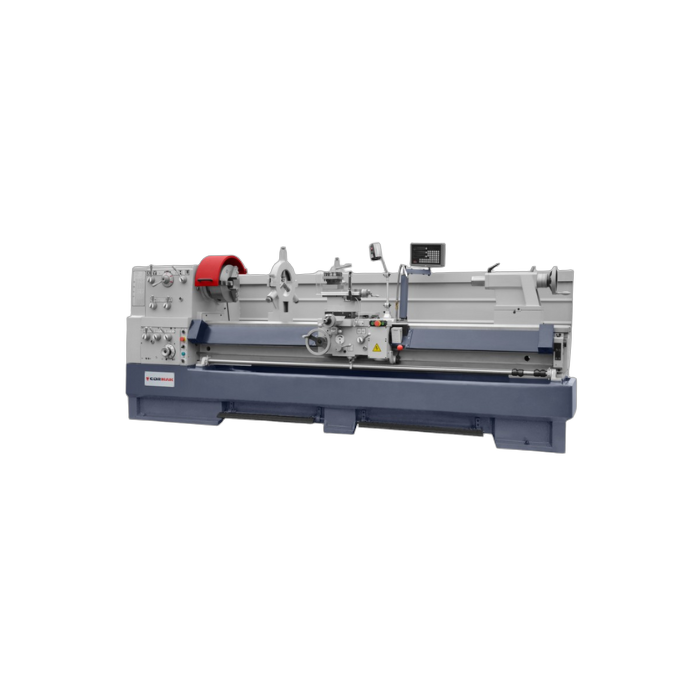
- Workshop centre lathes: Roughly $12,000 to $30,000. The workhorse tier for general engineering, with larger swing, more power, and standard accessories.
- Heavy-duty and large-capacity lathes: Above $30,000. Built for big-diameter or long work, higher spindle power, and continuous duty.
If your parts need automation and repeatability at volume, a CNC turning centre is a different purchase. Entry CNC lathes start around $20,000, mid-tier machines run $60,000 to $150,000, and high-end Swiss-type or multi-axis machines pass $250,000. The jump buys automation and unattended running, not just precision.
| Lathe class | Typical price band | Best suited to |
|---|---|---|
| Entry / bench centre lathe | $5,000 - $12,000 | Light turning, training, maintenance |
| Workshop centre lathe | $12,000 - $30,000 | General engineering and fabrication |
| Heavy-duty manual lathe | $30,000+ | Large-diameter or long, heavy parts |
| CNC turning centre | $20,000 - $250,000+ | Repeatable, high-volume production |
The specs that change the price
When you request quotes, these are the specs that decide both what the machine can do and what it costs:
- Swing over bed: This sets the maximum diameter you can turn. A larger swing widens your job range but raises the price, so match it to your biggest expected part.
- Distance between centres: This governs the longest workpiece the lathe accepts. Longer beds cost more and take more floor space, so buy for length you will actually use.
- Spindle bore: A larger bore lets you feed bar stock through the headstock, which matters for shaft and pipe work. Bigger bores add cost but open up jobs a small bore cannot.
- Motor power and speed range: More spindle power and a wider speed range handle tougher materials and heavier cuts. This lifts both purchase price and running electricity cost.
- Fitted accessories: A two-axis DRO, quick-change tool post, chucks, faceplate, and steadies are often bundled on workshop machines. Each adds to the price but saves buying separately later.
Running costs and total cost of ownership
The purchase price is one line in a longer budget. Factor these in from day one rather than discovering them later:
- Tooling and workholding: Cutting tools, inserts, chucks, and steadies wear or need replacing as your job mix changes. This is an ongoing cost, not a one-off.
- Coolant and consumables: Cutting fluid, way oil, and filters keep the machine cutting cleanly and protect the ways.
- Servicing: Periodic checks on bearings, lubrication, and alignment keep accuracy where you paid for it. For a manual lathe this is modest; CNC machines carry higher annual servicing bills.
- Installation and power: Larger lathes need three-phase power and adequate floor load capacity. Confirm both before delivery to avoid retrofit costs.
Compliance to check before you buy
Any lathe installed in an Australian workplace sits under Work Health and Safety duties. Machines should meet the AS 4024 machinery safety standard, with guarding that protects operators from the chuck and moving parts, and electrical work compliant with the AS/NZS 3000 wiring rules. Ask the supplier for a compliance certificate at installation so you are not paying to retrofit guarding or wiring later.
A realistic scenario
Picture a regional agricultural repair shop that turns down shafts and machines replacement bushes for farm machinery. The owner has been quoting jobs away because the old bench lathe cannot swing the larger parts coming in.
A workshop centre lathe with a larger swing and a bigger spindle bore, fitted with a DRO and a full set of chucks, lands in the $20,000 to $30,000 range. It brings those turned-away jobs back in-house, and the DRO cuts setup time on every part. The owner buys on the largest diameter and length the shop expects to see, adds a margin for growth, and treats tooling as a running cost rather than a surprise.
If your volumes or repeatability needs are climbing, it is worth weighing a manual lathe against a CNC lathe and turning machine before deciding. For a full breakdown of that step up, the CNC lathe machine price guide covers types, running costs, and financing.
Frequently asked questions
What size metal lathe do I need?
Base it on the largest part diameter and length you expect to turn, then add a margin for growth. Swing over bed sets your maximum diameter and distance between centres sets your maximum length.
Is a manual lathe still worth buying?
Yes, for maintenance, one-off, and low-volume work, a manual centre lathe is cost-effective and simple to operate. CNC earns its higher price when you need repeatable parts at volume.
Can I buy a used industrial lathe?
You can, and it can be good value. Inspect bed wear, spindle condition, and the accuracy of the ways, and check what tooling and accessories are included before you compare against a new machine.
What power supply does it need?
Larger industrial lathes typically need three-phase (415V) power and a floor able to carry the machine weight. Confirm your workshop can supply both before you order.
What matters most
An industrial metal lathe is a long-term workshop investment, not a throwaway tool. The machine that pays for itself is sized to your biggest job, powered for your toughest material, and specced with the accessories your work needs. Get swing, length, and spindle bore right first, factor tooling and servicing into total cost of ownership, and buy on fit rather than the price tag alone.
Ready to compare metal lathe specs and pricing? Get quotes from industrial metal lathe suppliers across Australia here.