

Why Stainless Steel Equipment Is Used in Professional Environments
Stainless steel has become a standard material in commercial and industrial environments because it balances durability, hygiene and long-term performance. Businesses that require clean, reliable workspaces often turn to stainless steel equipment as a practical solution.
One of the most common questions businesses ask is why stainless steel is preferred over other materials. The answer lies in its unique properties. Stainless steel is non-porous, meaning it does not easily harbour bacteria, making it well suited to environments where sanitation is critical. This is why it is commonly used in food preparation areas, healthcare environments and laboratories.
Another major advantage is corrosion resistance. Stainless steel can withstand exposure to moisture, cleaning chemicals and temperature changes without degrading quickly. Because of this, it performs well in demanding environments where equipment needs to last for years under regular use.
Durability is another key factor. Stainless steel equipment is designed to handle heavy workloads without warping, cracking or deteriorating. For many organisations, this longevity makes it a cost-effective investment over time.
- Non-porous surfaces support hygiene and easier cleaning
- Corrosion resistance makes it suitable for wet and demanding environments
- Durable construction supports long-term commercial use
- Professional appearance suits modern workspaces
Industries That Commonly Use Stainless Steel Equipment
Businesses across many sectors rely on stainless steel equipment because of its hygienic and durable characteristics.
In commercial kitchens and hospitality venues, stainless steel is used extensively for food preparation, washing and storage. Restaurants, cafés and catering facilities require surfaces that can be cleaned frequently while maintaining food safety standards.
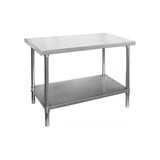
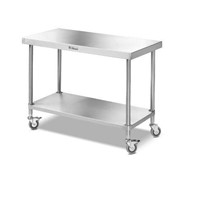
In these environments, workstations such as stainless steel benches and sinks provide hygienic preparation areas and integrated washing stations. These units help staff maintain sanitation standards while working efficiently during busy service periods.
Healthcare and laboratory environments also rely heavily on stainless steel surfaces. In these settings, equipment must withstand constant sanitisation and exposure to medical cleaning products. Stainless steel provides a surface that can be disinfected thoroughly without deteriorating.
Manufacturing and industrial facilities also benefit from stainless steel equipment. Assembly areas, packing stations and workspaces often require robust surfaces that can withstand tools, components and frequent cleaning.
Because stainless steel performs well in wet conditions, many businesses also ask whether it is suitable for moisture-exposed environments. In most cases, the answer is yes. Its corrosion resistance makes it ideal for kitchens, food production facilities and other areas where water and cleaning chemicals are regularly used.
- Commercial kitchens and hospitality venues
- Healthcare and laboratory environments
- Food processing and preparation areas
- Industrial and manufacturing facilities
Storage and Organisation in Stainless Steel Workspaces
Efficient storage plays an important role in keeping commercial workspaces organised and hygienic. Stainless steel storage systems are commonly used to keep equipment, supplies and ingredients easily accessible while maintaining cleanliness.
For example, stainless steel shelving is frequently installed in commercial kitchens, cool rooms, laboratories and food processing facilities. Shelving units provide strong, easy-to-clean storage that allows airflow and visibility while helping staff keep work areas organised.
Businesses often wonder how long stainless steel equipment lasts in these environments. When properly maintained, stainless steel shelving, benches and workstations can remain in service for many years. The material’s strength and resistance to corrosion help it withstand the daily demands of busy workplaces.
Another advantage of stainless steel storage solutions is flexibility. Shelving systems can often be configured to suit different spaces and storage needs, making them suitable for both compact kitchens and large industrial facilities.
- Open storage improves visibility and access
- Easy-clean surfaces support hygiene standards
- Strong construction suits everyday commercial use
- Flexible layouts can suit different workspace sizes
Important Considerations When Choosing Stainless Steel Equipment
When selecting stainless steel equipment, businesses should consider several practical factors to ensure the equipment suits their workspace.
Stainless steel grade
Different grades of stainless steel are designed for different environments. For example, grade 304 stainless steel is commonly used in food service and medical applications because it offers stronger corrosion resistance.
Load capacity
Shelving and work benches must be able to support the weight of tools, equipment or supplies used in daily operations. Choosing equipment designed for the intended load helps ensure safety and longevity.
Workspace layout
The size and configuration of equipment should support efficient workflows. Workstations should allow staff to move comfortably while maintaining organised preparation or storage areas.
Cleaning and maintenance requirements
Businesses often ask how easy stainless steel equipment is to maintain. In most cases, routine cleaning with mild detergent and warm water is sufficient to keep surfaces hygienic. Avoiding abrasive cleaning tools helps preserve the finish and maintain the equipment’s professional appearance.
Compliance and hygiene standards
In industries such as food service, healthcare and pharmaceuticals, equipment may need to meet specific hygiene or safety regulations. Selecting equipment designed for these environments helps ensure compliance with industry standards.
- Choose the right stainless steel grade for the environment
- Check load capacity for shelves and benches
- Match dimensions to workspace layout and workflow
- Consider cleaning needs and compliance requirements
Maintaining Stainless Steel Equipment for Long-Term Performance
While stainless steel is known for durability, proper maintenance helps extend its lifespan and maintain its hygienic properties.
Simple maintenance practices include regular cleaning, careful drying and avoiding harsh abrasive tools. These steps help preserve both the appearance and performance of the equipment over time.
- Clean surfaces regularly using mild detergent and warm water
- Rinse and dry surfaces to reduce water marks
- Avoid abrasive cleaning tools that may scratch the surface
- Inspect joints, welds and fittings periodically
- Use appropriate sanitising products where required
By choosing suitable stainless steel equipment and maintaining it properly, businesses can create workspaces that support hygiene, durability and efficient daily operations across a wide range of industries.